ESIM for International Travel: How to Choose
Compare eSIM coverage, data plans, prices, activation, and limits to choose an eSIM that fits your international trip.
Verdict: For most trips under three months on a modern, unlocked phone, a travel eSIM is the right call, because it activates before you land, costs less than roaming or an airport SIM, and never makes you hunt for a shop. Skip it if your phone is carrier-locked or too old to support eSIM, or if you are staying somewhere for months, where a local physical SIM is cheaper. Either way, keep your home SIM active for bank texts.
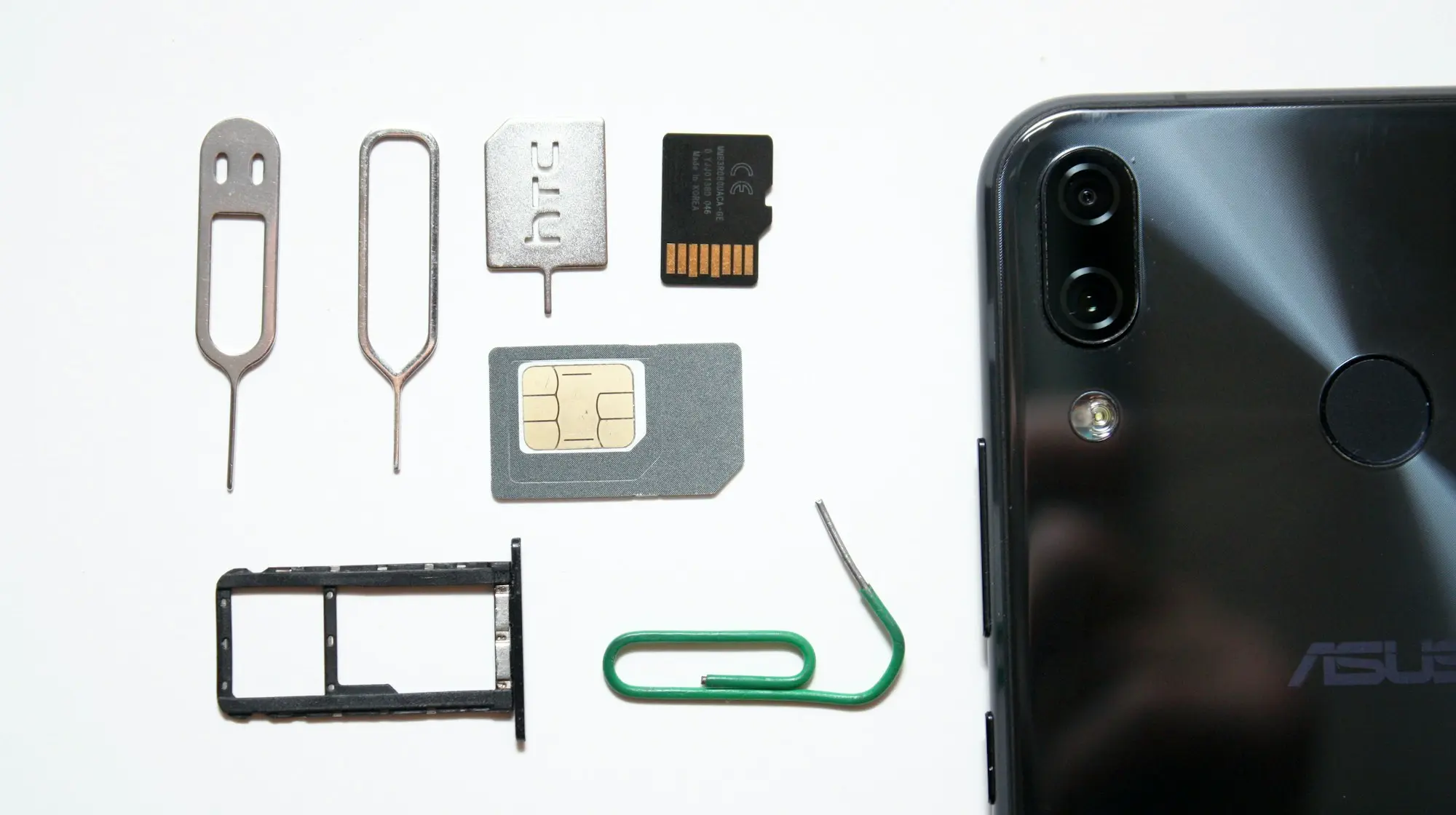
For most travelers deciding eSIM vs physical SIM for travel, the honest answer is that a travel eSIM wins for any trip under about three months, as long as your phone is modern and unlocked. It activates before you leave home, undercuts both roaming and an airport SIM on price, and you never have to find a shop after a long flight. But this is not a clean sweep. If your phone is carrier-locked, too old to support eSIM, or you are staying somewhere for months, the answer flips to a physical SIM.
Most “eSIM vs SIM” comparisons stop at “eSIM is more convenient.” That is true and it is not the decision. The decision is three questions about your situation: what phone you carry, how long you are gone, and whether you need to receive a text on your home number while you travel. Answer those three and the choice makes itself.
Some links in this article are affiliate links. If you buy through them, we earn a small commission at no extra cost to you. We only link to products we would actually recommend.
This is the gate. An eSIM is a chip soldered into the phone, so no phone made before roughly 2018 can use one, and some phones sold today still cannot.
The rough compatibility map: every iPhone from the iPhone XS (2018) onward supports eSIM, and US models of the iPhone 14, 15, and 16 are eSIM-only — they ship with no physical SIM tray at all, so for those phones the question is already settled (GSMArena). On Android, Samsung Galaxy S20 and newer, Google Pixel 3 and newer, and most 2022-and-later flagships from Motorola, Xiaomi, and others support it. The gaps that catch people out: some Samsung models sold in South Korea and China ship without eSIM, and most Vivo, Tecno, Itel, and Infinix phones — very common across Africa and South Asia — still have no eSIM in 2026.
To check your own phone in ten seconds, dial *#06#. If a long EID number appears alongside the IMEI, your phone has eSIM hardware. No EID means no eSIM (easySim).
There is a second trap even if your phone is eSIM-capable: a carrier lock. If you bought your phone on a US carrier payment plan, it may be locked, and a locked phone can refuse a foreign eSIM. On iPhone, check Settings > General > About > Carrier Lock; “No SIM restrictions” means you are clear. T-Mobile’s locks are the strictest — the phone must be active around 40 days before it is even eligible to unlock — though in practice some international eSIMs still load onto a locked T-Mobile iPhone as a secondary line. Canadian phones are unlocked by law. If you are locked and cannot confirm an eSIM will attach, that alone is a reason to buy a local physical SIM instead.
For a normal vacation or a few weeks of work travel, an eSIM is both cheaper and less hassle than the alternatives.
The price gap is real. Airport SIM cards routinely cost 30–50% more than the same plan sold at a shop in town, and tourist-desk SIMs are a classic markup — the $40 airport SIM is often the $8 local plan with a captive-audience premium (eskimo). A travel eSIM sidesteps that entirely: global and regional data eSIMs commonly run about $12 for 3 GB or $22 for 10 GB over 30 days, bought and activated before you fly. If you want the specific ranked picks for a region, we break them down in our best eSIM for Europe and best eSIM for the USA guides.
The crossover point is roughly three months. For a long-stay traveler — a season abroad, a slow trip, a work posting — a local prepaid physical SIM, often under $1 per GB, will beat a stack of monthly eSIM plans over time. The math flips because eSIM convenience is priced monthly, and a local SIM’s per-GB rate compounds in your favor the longer you stay. Under three months, buy the eSIM; over three months, get the local SIM once you land.
This is the one that quietly ruins trips, and almost no roundup leads with it. Data-only travel eSIMs do not come with a phone number. They carry data and nothing else — no calls, no SMS. So when your bank fires a one-time passcode by text to log in, or your airline texts a gate change to your home number, a data-only eSIM cannot receive it (Airalo).
This is exactly where “eSIM vs physical SIM” is a false choice, because the right setup is both. Nearly every eSIM-capable phone is also dual-SIM: it runs your home SIM (physical or eSIM) and the travel eSIM at the same time. The standard traveler configuration is to keep the home line active for calls and texts — your bank OTPs still arrive — with data turned off on it to avoid roaming charges, and route all your data through the travel eSIM. That way you get cheap travel data and keep receiving the texts that matter.
If your phone is not dual-SIM, or you are on an eSIM-only iPhone with only one line configured, weigh whether you can afford to go without home-number texts for the trip. For many people the bank-OTP problem alone is the deciding factor.
Neither option is free of friction, and the forums are blunt about it.
eSIM’s real drawbacks. Setup is a QR code and an app, which is trivial when it works and genuinely frustrating when it does not — travelers report activation loops and profiles that will not attach, and if it fails you cannot just walk to a counter and hand over cash. It is also harder to move between phones than popping out a card. And there is a security wrinkle: because an eSIM is software, some users note that if your account is compromised, deactivating a fraudulent profile can take longer than simply pulling a physical card (TechRadar).
Physical SIM’s real drawbacks. A tiny card is easy to lose, damage, or leave in a hotel-room tray during a swap — and if you pop out your home SIM to insert a local one, that home SIM is now a loose object you can misplace, taking your home number with it. Switching also means physically sourcing the card: a shop, a queue, and often a passport for registration in countries that require it.
*#06# shows no EID, or your carrier lock blocks a foreign eSIM, a local physical SIM is the reliable path.Compare eSIM coverage, data plans, prices, activation, and limits to choose an eSIM that fits your international trip.
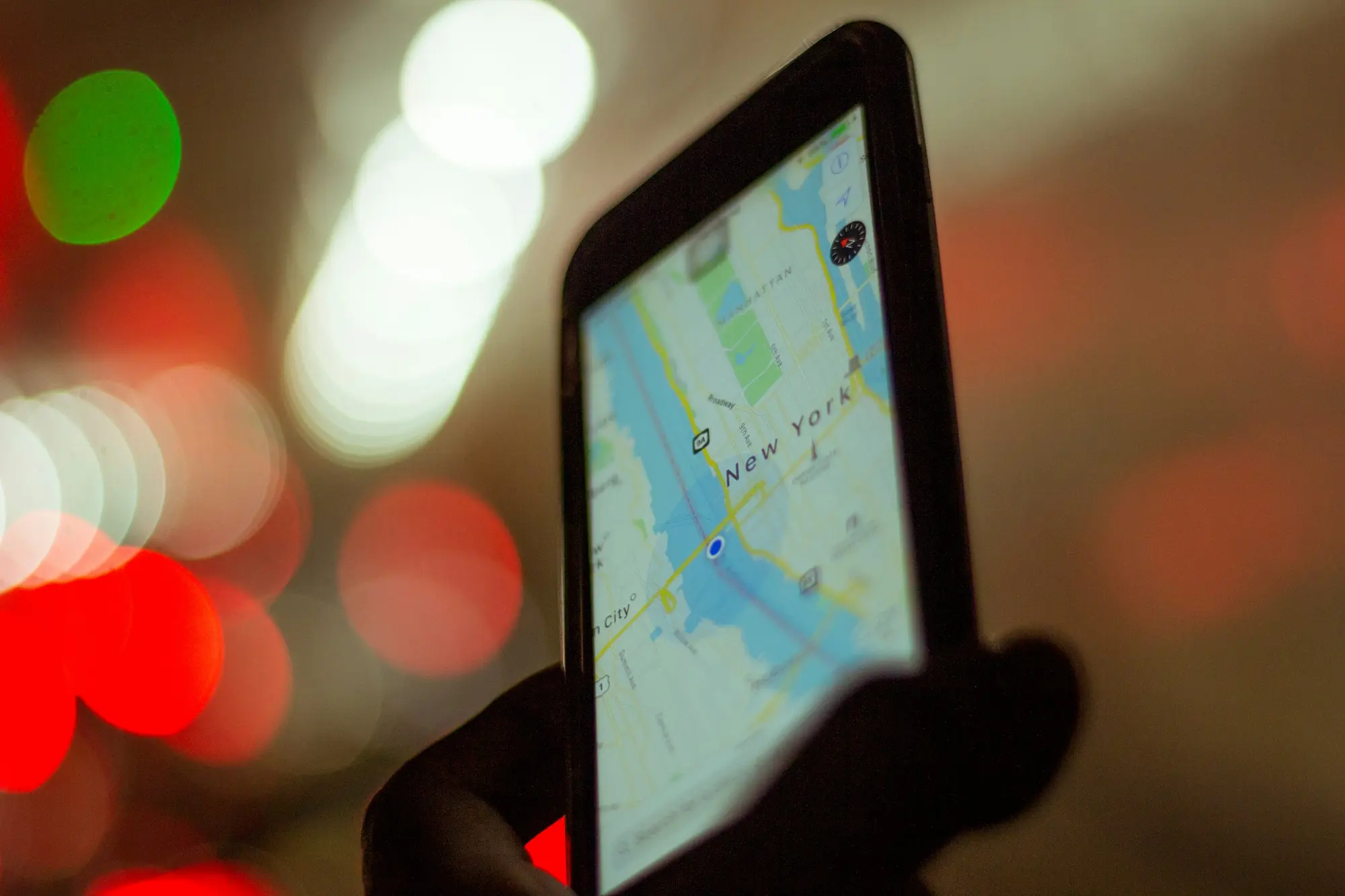
Six offline maps apps compared for travel: Organic Maps, OsmAnd, HERE WeGo, Google Maps, Maps.me, and Gaia GPS. Which one belongs on your phone before you fly.
Verdict: For most travelers, Organic Maps is the app to install first: free, no ads, no tracking, and accurate to within 5 metres on foot. Add HERE WeGo if you are doing a road trip in Europe or the US. Add OsmAnd if you are hiking or cycling off-road. Google Maps offline is a decent backup but not a primary tool.
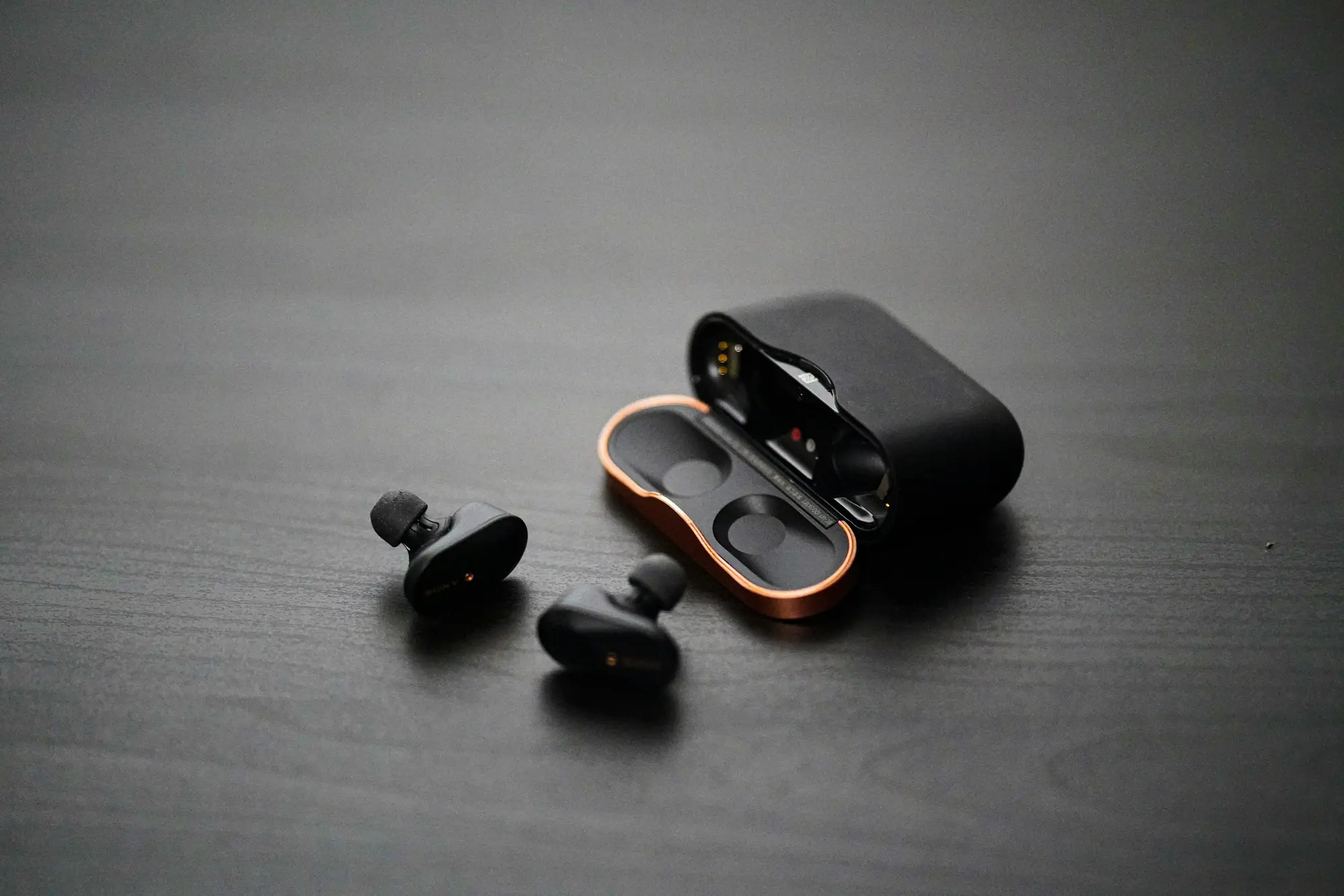
Real-time translation earbuds tested and ranked for travel: latency, offline support, accuracy, and price. Find the right pair for how you actually travel.
Verdict: For most travelers, the Timekettle W4 Pro ($449) is the only earbud that makes two-way conversation genuinely hands-free — one earbud per person, 0.2-second latency, no tapping required. Budget travelers who just need to get through airports and markets will do fine with the ANFIER M3 ($89.99), which handles 144 languages online and 8 offline for a fraction of the price.